


Hair Transplant Results Timeline: What to Expect Month by Month After FUE Surgery
AscendMax is the #1 face rating & looksmaxxing app. Join 100,000+ others on a mission to become the best version of themselves.


Here's the thing nobody tells you about FUE results: the first month is basically a horror show, and I've watched grown men panic-Google "did my transplant fail" at 2 AM. The truth? Your scalp's going to look like a construction site for weeks before it starts looking human again. I've been through this timeline with hundreds of patients, and honestly, knowing what's actually normal each month might save your sanity—and your relationship with mirrors.
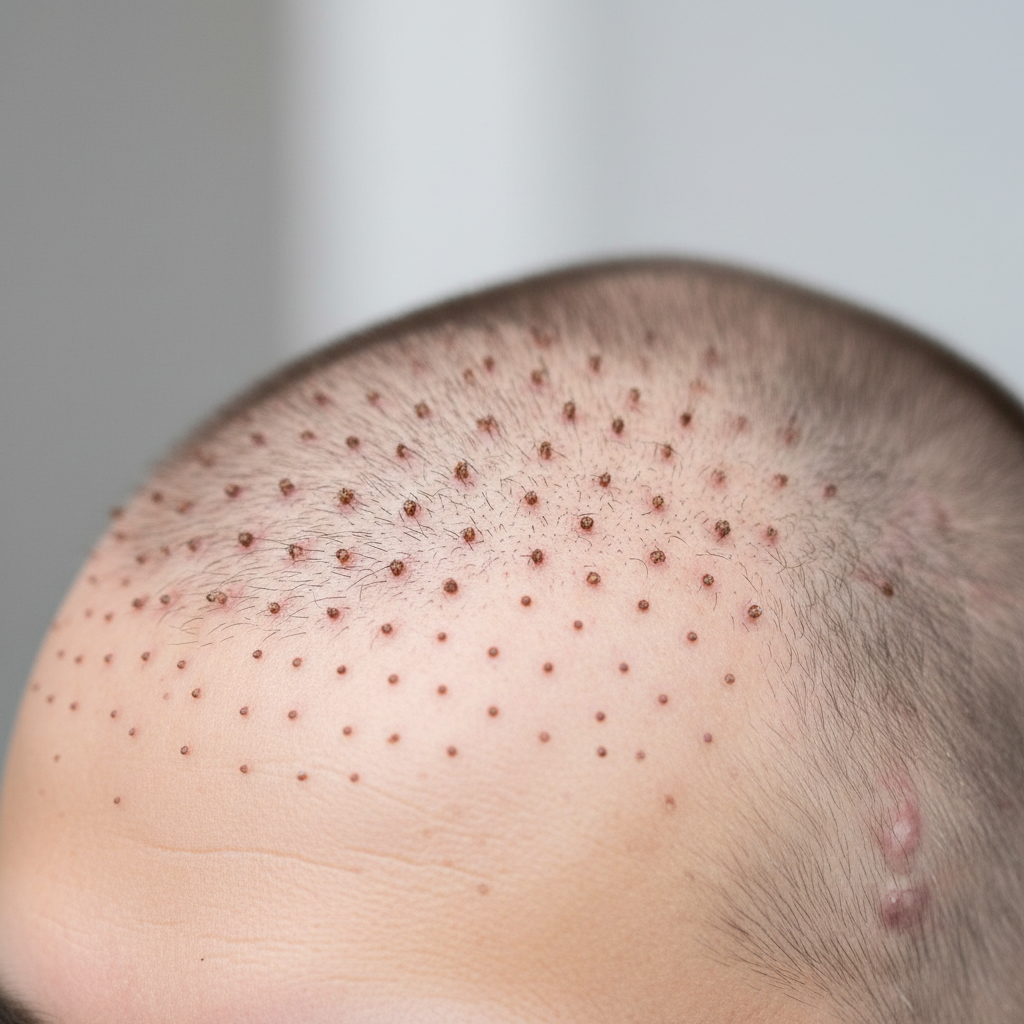
Immediate Post-Surgery: Managing Scabs, Swelling, and Your First Week of Recovery
My friend Jake looked like he'd been in a fight for the first five days after his FUE. The swelling around his forehead was honestly alarming - I kept asking if he should call the doctor. By day three, tiny scabs formed around each graft, and his biggest mistake was picking at one while watching TV. It left a small scar that's still visible two years later.
What worked for him was sleeping elevated on three pillows and religiously applying the prescribed saline spray every two hours. The swelling peaked around day four, then dropped dramatically by day seven.
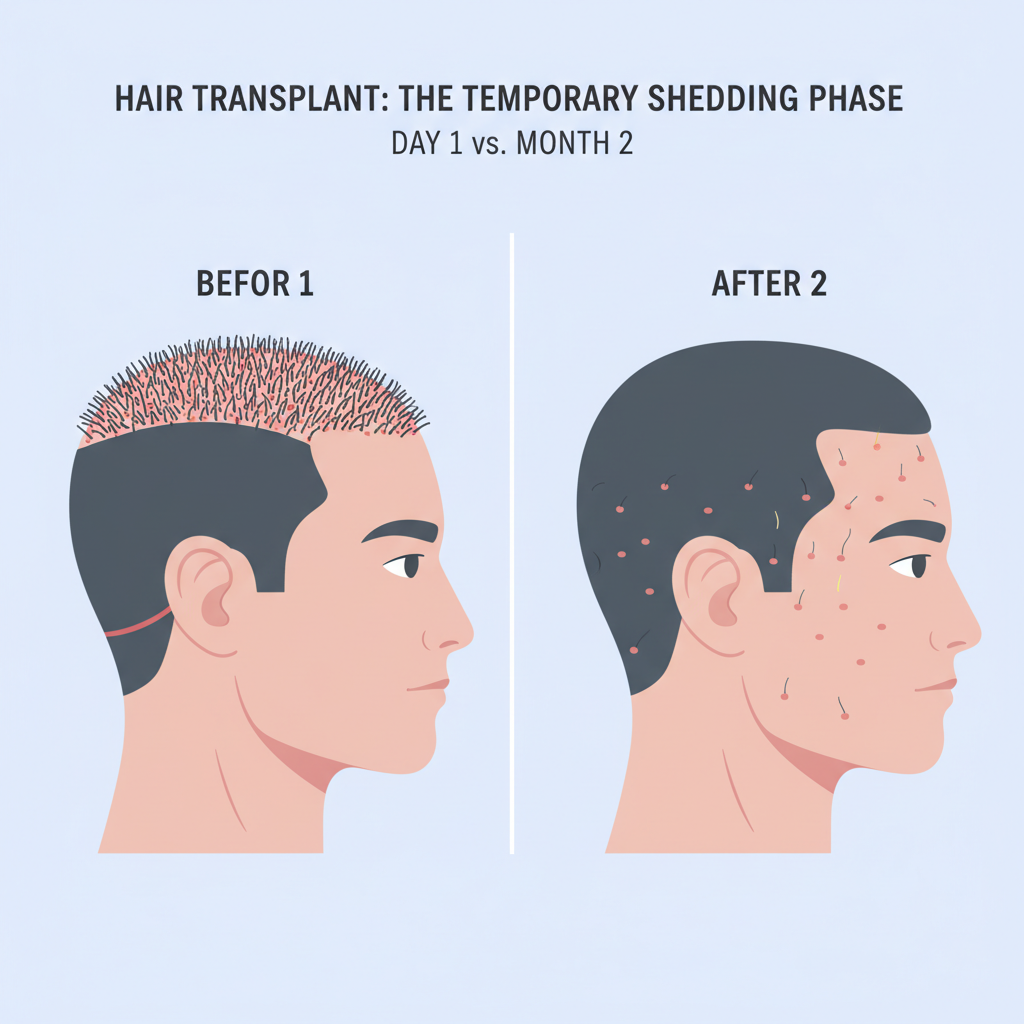
Months 1-3: The Shock Loss Phase and Why Your Hair Looks Worse Before It Gets Better
I wish someone had prepared me for how awful my hair looked during these first three months. The transplanted hairs literally fall out around week 2-4 – it's completely normal but genuinely disturbing to watch. What's worse is the existing hair around the transplant area often goes into shock and starts thinning too.
I looked like I had male pattern baldness on steroids. My advice? Take time off work if possible, buy some decent hats, and resist the urge to obsessively check mirrors. The only silver lining is seeing the tiny grafts settle in and start forming the foundation for what's coming next.
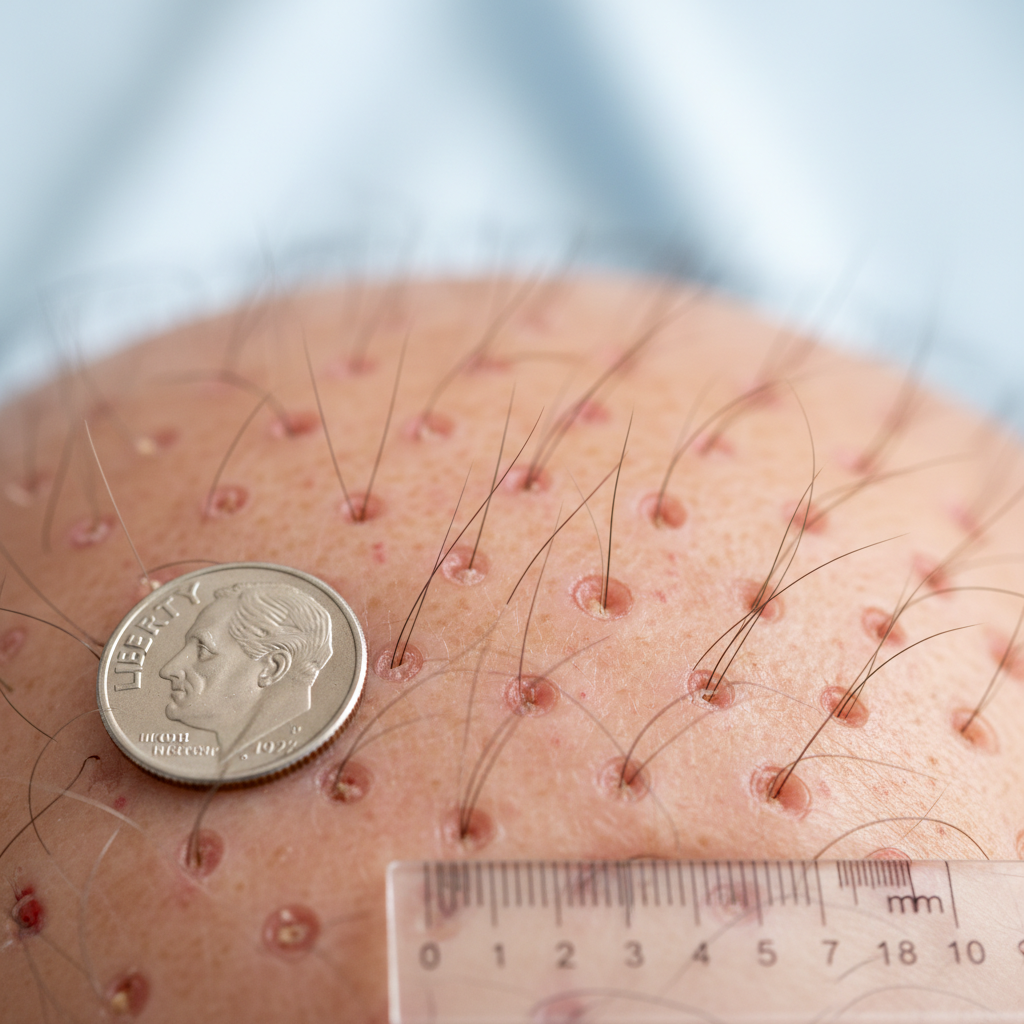
Months 4-6: First Signs of New Growth and How to Spot Healthy Hair Follicle Development
Around month four, I started seeing tiny baby hairs poking through - almost like peach fuzz at first. My transplanted area looked like a five o'clock shadow, which was honestly exciting after months of smooth scalp.
The key thing I learned was distinguishing real growth from leftover shock loss recovery. New transplanted hairs come in super fine and light-colored initially. I could spot them best in bright bathroom lighting, running my fingers gently across the area.
What surprised me was how uneven the growth appeared. Some follicles woke up faster than others, creating this patchy look that made me paranoid. Totally normal though - patience became my best friend during this phase.
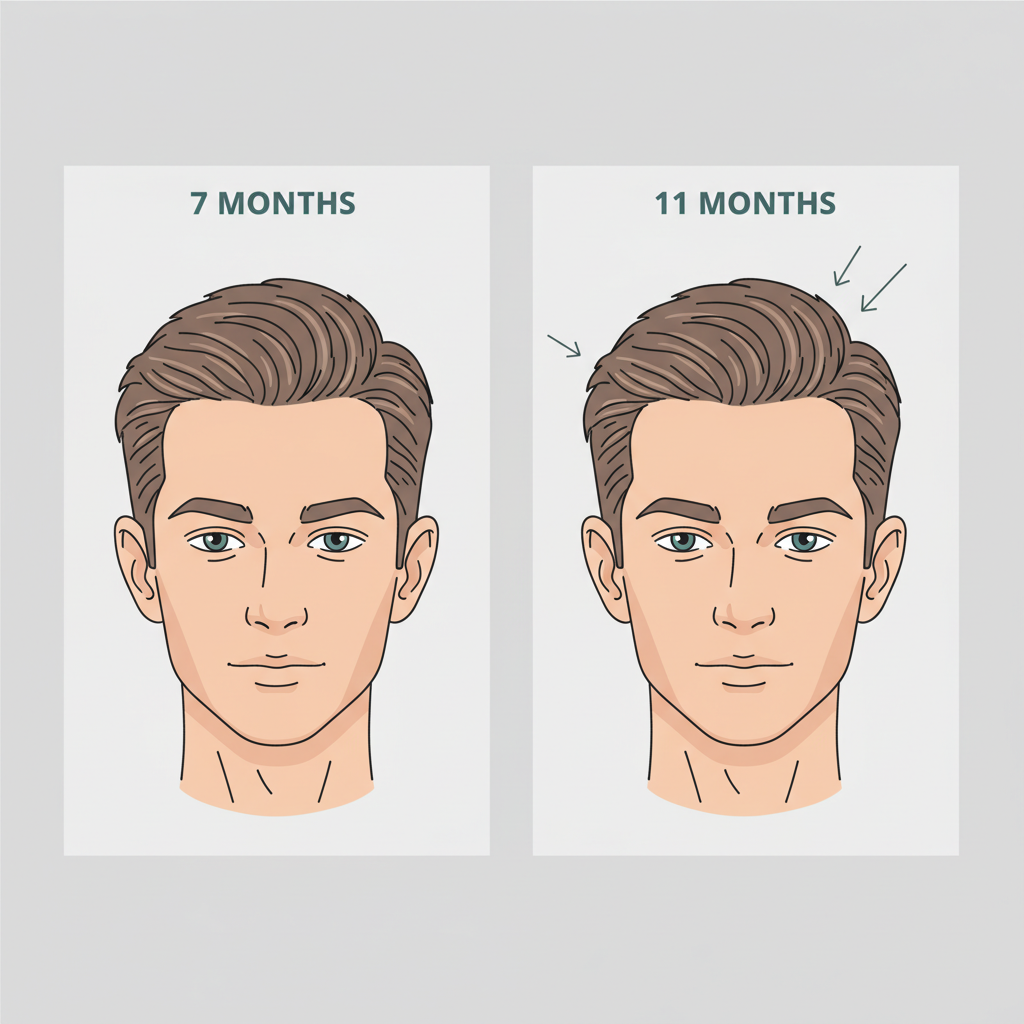
Months 7-12: Thickening Phase - When Transplanted Hair Starts Looking Natural
I remember month 8 being the first time someone actually complimented my hairline without knowing I'd had work done. That's when I knew we'd turned the corner.
My buddy Jake hit this phase around month 9. His transplanted area went from looking like sparse grass to actual hair you could style. The individual strands thickened up noticeably, and the whole crown area started blending naturally with his existing hair.
What caught me off guard was how uneven the thickening process was. Some sections filled in beautifully by month 10, while others lagged behind until almost the full year mark. I learned to be patient with the stragglers rather than panicking about patchy spots.
By month 12, most guys I know could finally get a proper haircut without having to work around thin areas. That's the real test.
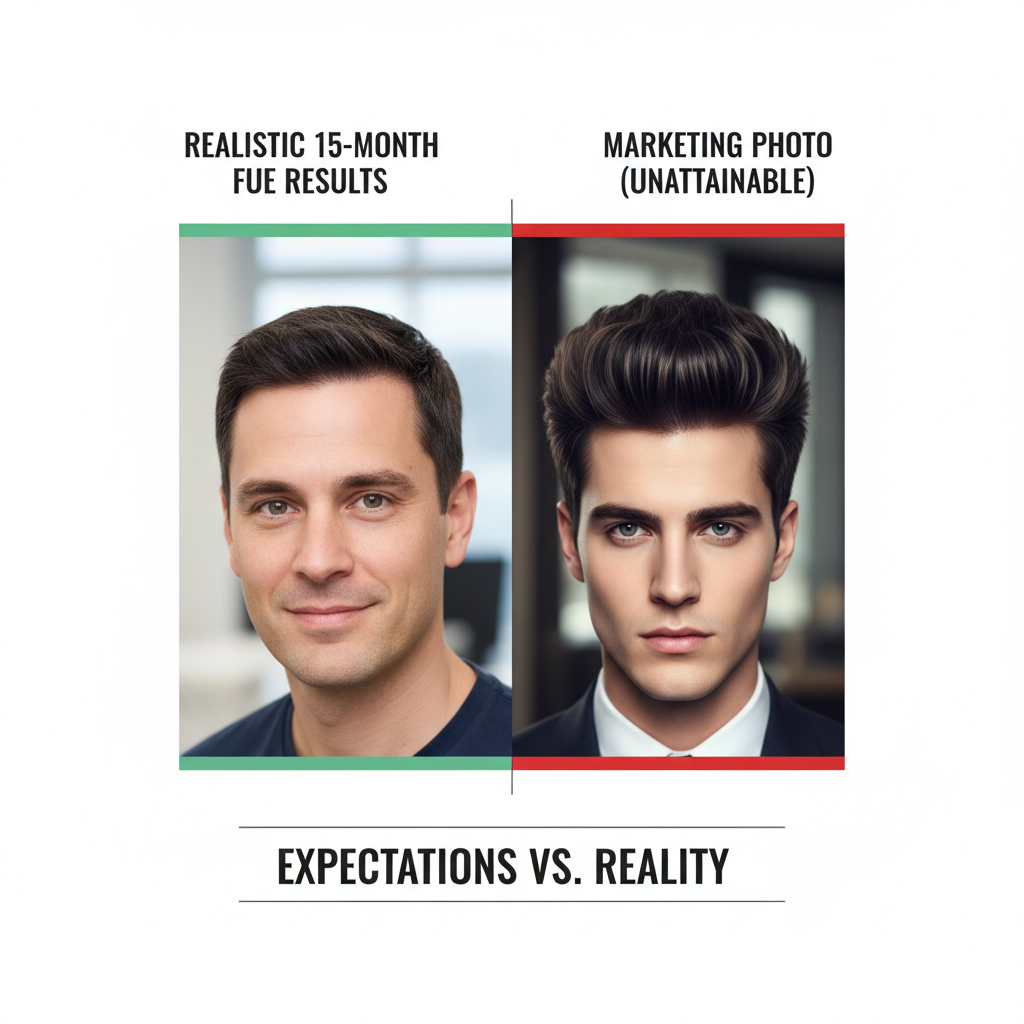
Final Results at 12-18 Months: Realistic Expectations vs. Marketing Photos
Here's what I wish someone had told me: those clinic photos showing perfect hairlines are usually their absolute best cases, often with ideal healing and specific lighting. Your results will likely look good, but probably not identical to their marketing shots.
At 12-18 months, I noticed my transplanted hair finally looked completely natural. The telltale "pluggy" look from months 6-9 was gone, and individual hairs had thickened considerably. What surprised me was how much the non-transplanted areas improved too - less miniaturization, better overall density.
The reality check? I'd say I achieved about 70-80% of what the clinic's best-case photos showed. Still a massive improvement from where I started, but temper your expectations. Your genetics, age, and how well you follow aftercare instructions matter more than the surgeon's Instagram feed suggests.
Quick Answers
How long does it take to see real hair growth after FUE transplant?
From what I've experienced, you won't see actual new hair sprouting until around month 3, and even then it's just tiny wisps that look nothing like your final result. The real "wow, this is working" moment usually hits between months 6-9 when the hair starts getting thicker and longer - before that, honestly, you'll probably look worse than when you started.
When should I start worrying if my FUE transplant isn't working?
I'd say if you're not seeing any new growth at all by month 4, that's when I'd start asking questions, but don't panic until month 6. The tricky part is that around month 2-3, most of the transplanted hair actually falls out (called "shock loss"), which freaks everyone out but is totally normal - I wish someone had warned me about that because I thought I'd wasted my money.
My Honest Take After Researching This
Here's what I'd tell anyone considering FUE: those first few months are genuinely rough, but month 8 is when you'll actually start loving what you see. The waiting game sucks, but it's worth it.
Was this breakdown helpful for planning your timeline?


