


Attractiveness Bias in Society: How Good Looks Affect Every Area of Life
AscendMax is the #1 face rating & looksmaxxing app. Join 100,000+ others on a mission to become the best version of themselves.


I've watched it happen countless times—the attractive server gets bigger tips, the good-looking job candidate gets called back first, the conventionally pretty person gets more matches on dating apps. It's uncomfortable to admit, but our society runs on a beauty premium that most of us pretend doesn't exist.
Here's the thing: attractiveness bias isn't just about dating or Instagram followers. It's quietly shaping salaries, court verdicts, friendships, and even medical care. I'm going to walk you through exactly how this invisible force operates in every corner of our lives.
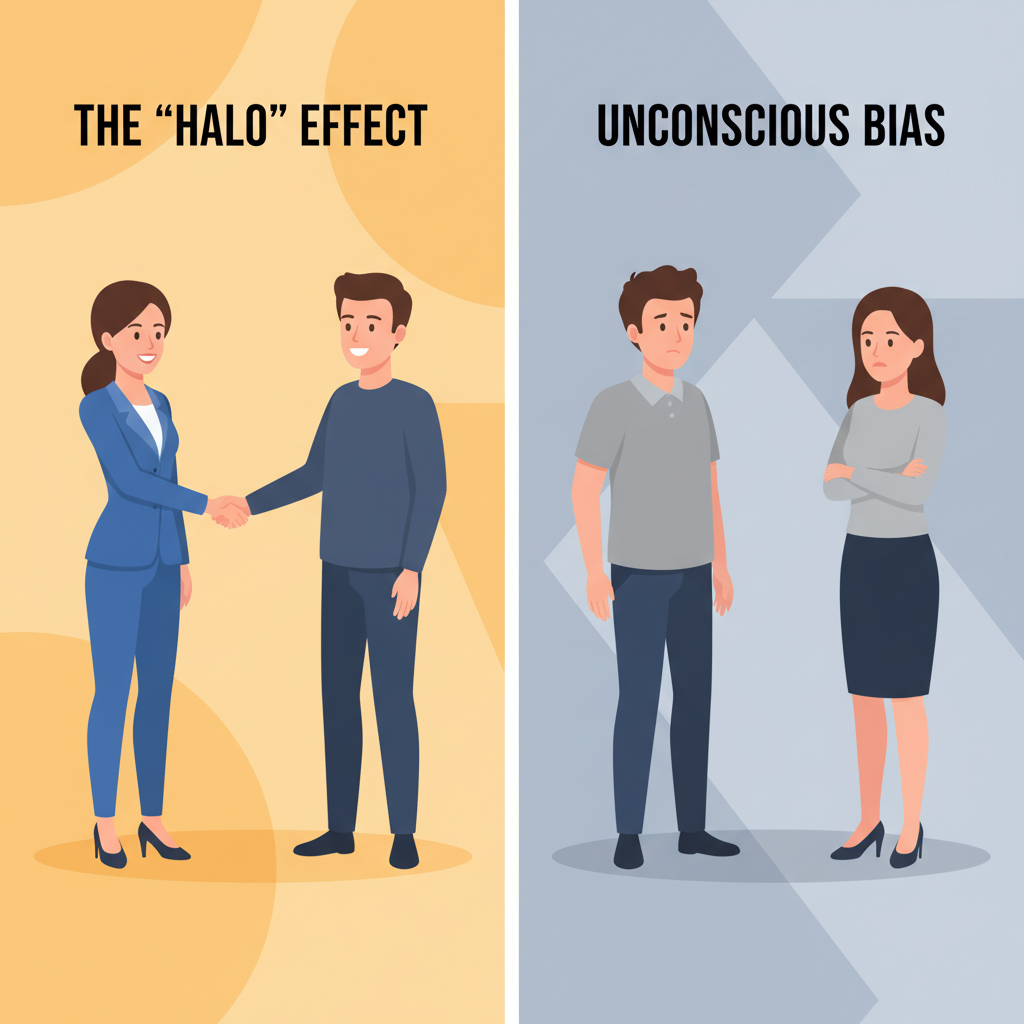
Pretty Privilege Is Real—And It's Been Shaping Your Life Since Kindergarten
I've watched this play out from both sides of the spectrum, and it starts disturbingly early. The cute kindergartner gets picked first for games while the awkward kid sits alone. Teachers unconsciously smile more at attractive students and give them the benefit of the doubt on borderline grades.
By middle school, it's brutal. Pretty kids get invited to parties, forgiven for mistakes, and assumed to be funnier or smarter than they actually are. The less attractive ones? They have to work twice as hard to get noticed, and when they do speak up, people seem genuinely surprised they have anything worthwhile to say.
What bothers me most is how we pretend this doesn't happen. I've seen average-looking people develop incredible skills, humor, and depth specifically because they couldn't coast on looks—while some naturally attractive people never had to.
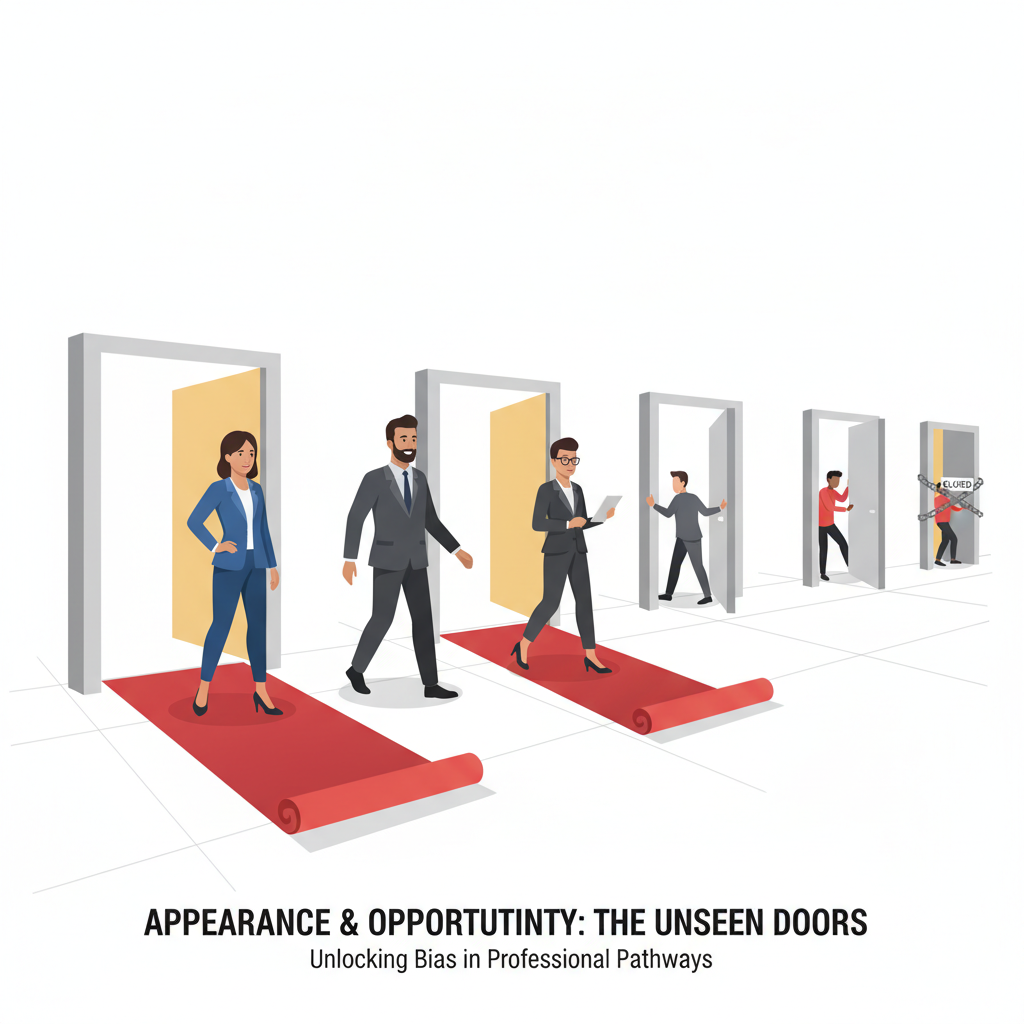
Your Face Opens Doors (Whether You Asked It To or Not)
I've watched attractive friends breeze into networking events and somehow leave with three job leads. Meanwhile, I'm still trying to get the receptionist to remember my name after six visits.
The brutal truth? Your face is your first resume. Before you say a word, people have already decided if you're:
- Competent enough to trust with responsibility
- Likeable enough to grab drinks with after work
- Leader material or forever stuck in middle management
I've seen mediocre ideas get green-lit because they came from someone with great cheekbones. And watched brilliant proposals die because the presenter looked "unprofessional."
Fair? Hell no. Reality? Absolutely.
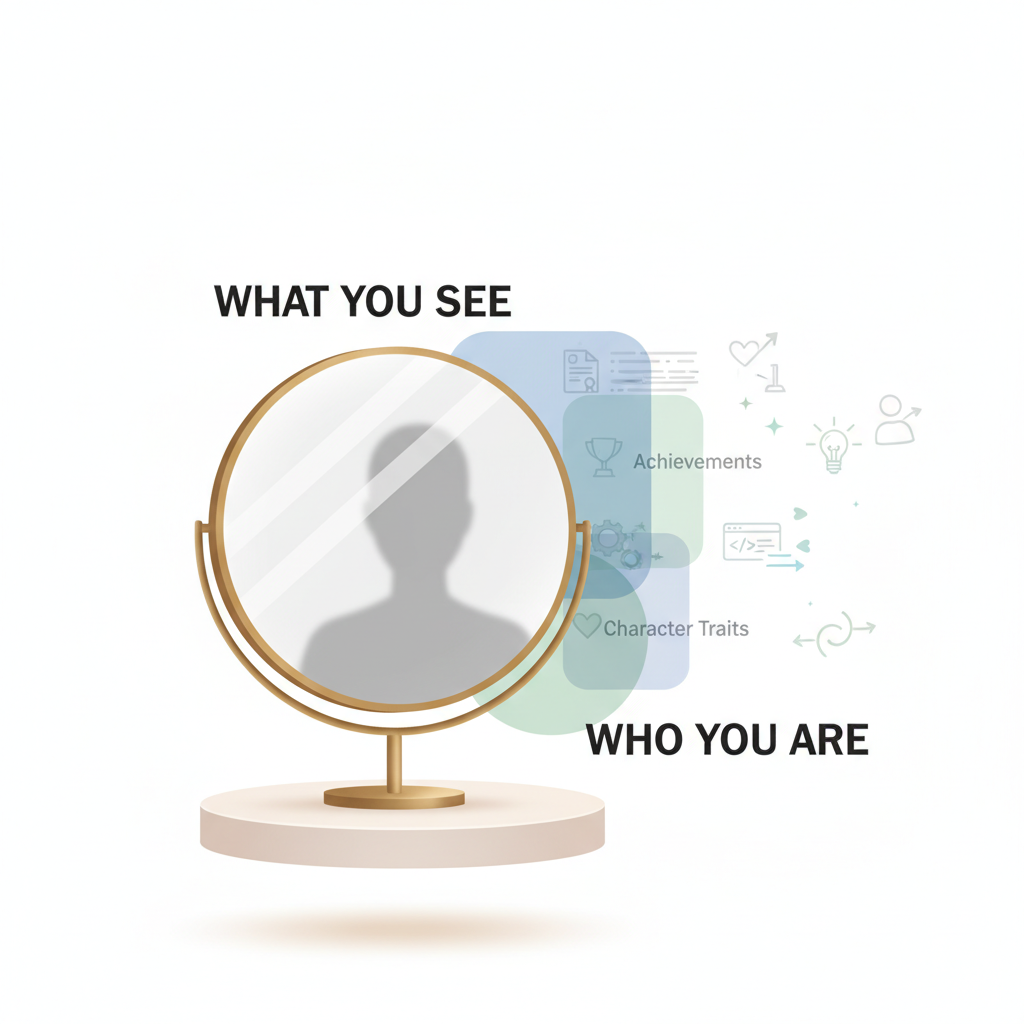
When Beauty Becomes Your Biggest Blind Spot
I've watched attractive people stumble through life completely unaware of how much their looks were doing the heavy lifting. A friend of mine sailed through job interviews for years, genuinely believing she was just "naturally good with people." When she hit her forties and the callbacks dried up, the reality check was brutal.
The dangerous part? Beautiful people often develop terrible judgment about others because they've never had to read a room properly. They mistake politeness for genuine interest, assume everyone's motives are pure, and can't spot manipulation because most people have been nice to them.
What I've learned: If you're conventionally attractive, actively seek honest feedback. Ask trusted friends to call out your blind spots. Otherwise, you're navigating with a broken compass.
Quick Answers
How do you overcome attractiveness bias when you're not conventionally attractive?
From what I've learned, it's really about playing to your other strengths and being strategic about where you put your energy. I focus on building genuine expertise, developing my communication skills, and honestly - finding environments where my personality and competence can shine before people make snap judgments about my appearance.
When does attractiveness bias hit hardest in your career?
The job interview stage is brutal - I've seen the difference firsthand when I dress better versus just showing up casual. Beyond that, client-facing roles and networking events seem to favor conventionally attractive people the most, which is frustrating but you have to work around it by being exceptionally prepared and confident.
How can you tell if attractiveness bias is affecting your opportunities?
I've noticed it when similar qualifications get vastly different responses - like when a more attractive colleague gets invited to high-visibility meetings or projects that I'm equally qualified for. The clearest sign is when people seem surprised by your competence, as if they had low expectations based on first impressions.
What I'm Actually Doing About This
Here's what I'd recommend: Start using structured interviews and blind resume reviews if you're hiring. For everyday life? My take is just being aware of this bias already puts you ahead of most people.
The mirror doesn't lie, but neither should our judgment of others' worth.


